The Allure of Gambling
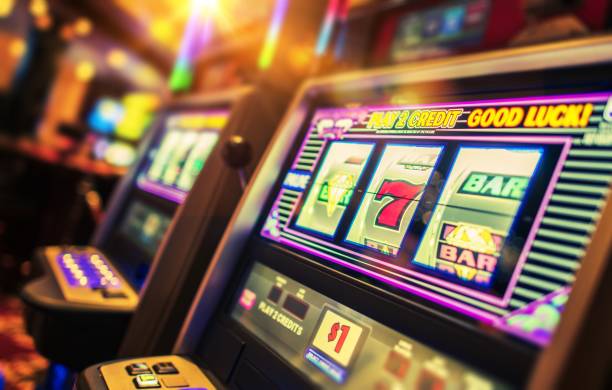
The captivating world of casinos draws millions of visitors each year, providing an ambiance filled with excitement, thrill, and the prospect of winning big. This allure is intricately woven into the psychology of gambling, where the combination of risk and reward activates the brain’s pleasure centers. The very environment of a casino is designed to feel intoxicating; from the enticing sounds of slot machines to the vibrant lights, it creates an atmosphere that enhances emotional exhilaration. People often enter casinos seeking a form of escapism, where the thrill of uncertainty promises a break from the monotony of everyday life, and even exploring casino online options has become increasingly popular among enthusiasts.
Furthermore, the psychological impacts of gambling extend beyond mere entertainment. The anticipation involved in games such as poker or roulette elicits a rush akin to that experienced during extreme sports. Players are genuinely engaged in a battle against chance, which activates the fight-or-flight response in our brains. This heightened emotional state can lead to logical reasoning being compromised, as individuals may ignore potential losses in favor of the adrenaline-fueled excitement of possible gains. The interplay between risk and reward is powerful, luring players deeper into the gambling experience.
Ultimately, understanding the allure of gambling in casinos reveals why participants often become emotionally and financially invested. The layer of social interaction present in many games adds another dimension; players often enjoy camaraderie at the tables or slots, heightening their emotional experience. This social component can create a false sense of community that reinforces individuals’ desire to return, perpetuating a cycle of gambling that intertwines psychological pleasure with social bonding. The combination of these elements creates an environment that is difficult to resist, drawing even the most cautious players into its embrace.
The Role of Cognitive Biases
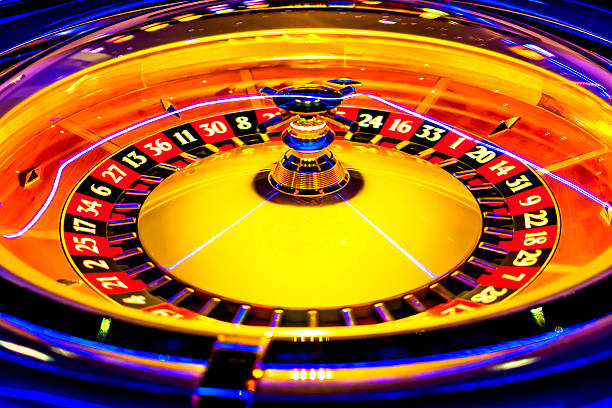
Cognitive biases play a significant role in gambling behaviors, influencing how players perceive risks and rewards. One of the most common biases observed is the “gambler’s fallacy,” where individuals believe that past outcomes affect future results. For example, if a roulette wheel lands on red multiple times, a player may feel that black is now “due,” leading to misguided betting decisions. These biases can dangerously distort perceptions, making it challenging for players to approach gambling rationally and increasing the likelihood of financial loss.
Moreover, overconfidence bias can lead gamblers to overestimate their skills, particularly in skill-based games like poker. This inflated self-perception often encourages players to make larger bets or pursue riskier strategies, thinking they can outsmart the system. The allure of winning against the odds can cloud judgment, causing individuals to ignore the house edge fundamentally built into almost all casino games. Cognitive biases can create a false narrative of control, which is appealing but ultimately misleading, leading players into deeper gambling patterns that can spiral out of control.

Research has shown that awareness of these cognitive biases can play a crucial role in responsible gambling. By understanding how these psychological factors operate, individuals can equip themselves with strategies to mitigate their effects. Awareness can foster a more measured approach to gambling, aiding players in recognizing when they may be falling prey to irrational betting behavior. As such, unraveling these biases is essential for promoting healthier gambling habits and ensuring a more enjoyable gaming experience, helping players make more informed choices that contribute to their overall well-being.
The Emotional Experience of Players
The emotional journey of a gambler can be complex and multi-faceted, often oscillating between euphoria and despair. The thrill of winning, even small amounts, can trigger significant emotional responses, reinforcing the desire to continue playing. Winning results in a release of dopamine, the neurotransmitter associated with pleasure, creating a sense of euphoria that gamblers chase. This emotional rush can quickly lead to a cycle of risk-taking behavior, as players may feel compelled to recreate that winning feeling, often ignoring potential losses in the process.
Conversely, the emotional turmoil of losing can be profound. Players may experience feelings of frustration, sadness, or even anger when faced with losses, driving them back to the casino in a misguided attempt to recover their losses, which is often referred to as “chasing losses.” This cycle can significantly affect mental health, leading to anxiety and depression, as individuals grapple with the consequences of their gambling behaviors. Recognizing the emotional aspects of gambling can be crucial for understanding why individuals continue to engage in activities that may be detrimental to their well-being and can help in addressing the cycle of addiction.
Additionally, the social aspects of gambling can amplify emotional experiences. Celebrating wins with friends or sharing losses can create stronger emotional ties within social networks. This sense of belonging often makes it harder for individuals to step back from gambling, further complicating their emotional and psychological relationship with the activity. By highlighting the emotional experience of players, it becomes evident that the effects of gambling extend far beyond the mere act of playing; they influence interpersonal relationships and personal well-being, deeply intertwining gambling with aspects of identity and social interaction.
The Impact of Environment and Design
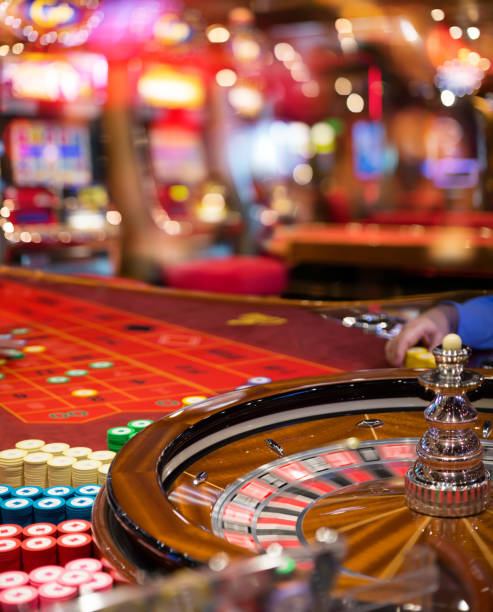
The design of casinos is meticulously crafted to enhance the gambling experience, often incorporating various psychological principles to engage and entice players. Open layouts, vibrant colors, and strategically placed gaming machines create an immersive environment that keeps players entertained and involved. Casinos utilize sensory cues, such as the sounds of winning sequences and the smell of complimentary drinks, to evoke excitement and prolong the players’ stay. These design choices may seem trivial, yet they significantly impact the gambling experience by manipulating player behavior and encouraging prolonged engagement.

Furthermore, the use of lighting plays a vital role in shaping the atmosphere of a casino. Dim lighting in gaming areas creates an intimate and cozy feel, while brighter lights may be used in areas to draw attention to high-stakes tables. This contrast plays into the psychology of attraction, inviting players to explore different sections of the casino. In addition, gaming tables are often clustered together to create a sense of community, prompting players to engage with others while feeling the collective energy of the room. The overall ambiance is curated to keep players in a state of excitement and anticipation.
These environmental factors, combined with the excitement inherent in gambling, forge a compelling cocktail that keeps players captivated. Casinos often employ psychological techniques like variable reinforcement schedules, which reward players at unpredictable intervals, reinforcing behavior and keeping them engaged longer. This layer of strategic design ensures that players are not only entertained but also more likely to return, allowing casinos to maintain their status as entertainment destinations while effectively leveraging psychological principles to enhance the player experience.
Exploring Responsible Gambling Resources
As the complexities of gambling psychology are unveiled, the importance of promoting responsible gambling practices becomes paramount. Various resources are available for those who may feel overwhelmed by their gambling experiences. Education plays a vital role in awareness, offering tools and strategies for recognizing when gambling becomes problematic. Many casinos provide information on responsible gaming practices, detailing self-exclusion programs and limit-setting tools to help individuals control their gambling behavior. This proactive approach can empower players to monitor their habits and make informed decisions.
Additionally, professional organizations and helplines exist to offer support and guidance for individuals struggling with gambling addiction. These resources focus on creating awareness about the psychological aspects of gambling and provide techniques for managing urges. By fostering a greater understanding of the psychological dynamics at play in gambling, these resources aim to empower individuals to make informed decisions about their gaming habits. The availability of such resources underscores a commitment to player welfare, highlighting the industry’s recognition of its social responsibility.
The shift towards promoting responsible gambling reflects a growing recognition of the need for balance in the gaming industry. It underscores a commitment to player well-being, showcasing that enjoyment should coexist with safety. By incorporating responsible gambling initiatives into their frameworks, casinos are gradually evolving into more supportive environments that prioritize player health while still providing engaging entertainment experiences. This evolution is essential in addressing the challenges posed by gambling addiction and fostering a culture of responsible gaming.